
Environmental Social and Governance standards have moved from optional to essential in India’s property markets. They now shape asset performance, valuation, investor confidence and long term risk. As regulators tighten disclosure requirements and global capital prioritises sustainability, developers and asset owners who integrate ESG metrics real estate India into their strategy are emerging as clear outperformers.
India has already crossed 6.3 billion square feet of green building footprint, according to the Indian Green Building Council. This places the country among the world’s largest green building markets and strengthens the case for sustainable real estate investing India.
Why ESG Is Reshaping India’s Real Estate Landscape
Regulators and occupiers are setting new benchmarks. SEBI has mandated Business Responsibility and Sustainability Reporting for India’s top 1,000 listed companies, pushing large developers and REITs to strengthen governance and data transparency. At the same time, energy-intensive, non-compliant buildings face rising operational costs, while green buildings India enjoy higher demand.
A Knight Frank India study highlights that 41 percent of occupiers are willing to pay a rental premium for green-certified spaces, driven by the need to reduce emissions and operational costs. Globally, buildings account for nearly 40 percent of energy-related CO₂ emissions, as reported by the UNEP Global Alliance for Buildings and Construction, reinforcing the urgency for transition.
The ESG Metrics That Matter in Real Estate
Effective ESG performance property India is based on quantifiable indicators that measure environmental impact, social value and governance quality.
Environmental Metrics
These include energy use per square foot, renewable energy share, water efficiency and waste mitigation. According to the GRESB Real Estate Benchmark, high-performing buildings reported up to 10 percent lower operating costs versus non-certified assets.
Social Metrics
This focuses on occupant well-being, accessibility, safety and community development. A study by McKinsey indicates that healthier workplaces can improve productivity by up to 15 percent, encouraging developers to prioritise indoor air quality and safety standards.
Governance Metrics
Transparent governance improves investor confidence and capital access. SEBI’s sustainability disclosure framework emphasises board oversight, ethical conduct and robust reporting — all essential for institutional-grade portfolios.
How Developers and Investors Implement ESG in India
A growing number of developers and investors now integrate ESG from design to operations.
Green-Certified Construction
Certifications such as IGBC and GRIHA have scaled significantly. With UNEP estimating that India will add over 1 billion sqm of new commercial space by 2030 (source: UNEP Buildings Global Status Report), green construction is moving from optional to non-negotiable.
Energy-Efficient Operations
Smart HVAC systems, building management platforms, and rooftop solar are now standard in Grade A commercial projects. The CII Green Building Programme notes that certified buildings demonstrate 20 to 30 percent lower energy and water consumption, contributing to stronger NOI.
Responsible Supply Chains
Developers are auditing material sourcing for embodied carbon and labour compliance, moving towards transparent procurement aligned with global standards.
Governance and Reporting Frameworks
Institutional investors increasingly benchmark portfolios using frameworks by GRESB and climate-risk disclosure guidance from TCFD. This aligns Indian real estate practice with global ESG norms.
How ESG Enhances Returns and Reduces Investment Risk
ESG is no longer a qualitative factor. Its financial impact is now measurable.
Rental Premiums and Higher Occupancy
A JLL India analysis finds that green office buildings command 3 to 10 percent higher rentals and see up to 20 percent faster leasing. Occupiers increasingly seek ESG-aligned offices to fulfil corporate sustainability mandates.
Lower Operating Costs
Energy and water efficiencies significantly reduce expenses across an asset’s lifecycle. This directly improves NOI and valuation.
Reduced Obsolescence and Capex Risk
As energy norms tighten, non-compliant assets face expensive retrofits. Early ESG integration mitigates climate and regulatory risk, future-proofing assets.
Stronger Valuation and Portfolio Stability
The MSCI Real Assets Sustainability Report shows that assets with strong ESG profiles exhibit higher risk-adjusted returns and lower vacancy volatility. Indian REITs echo similar trends in their sustainability updates.
Access to Low-Cost Capital
India has issued over USD 29 billion in green bonds since 2015, as tracked by the Climate Bonds Initiative. ESG-compliant projects benefit from wider investor participation and reduced cost of capital.
The Future: ESG as a Competitive Edge in India’s Real Estate

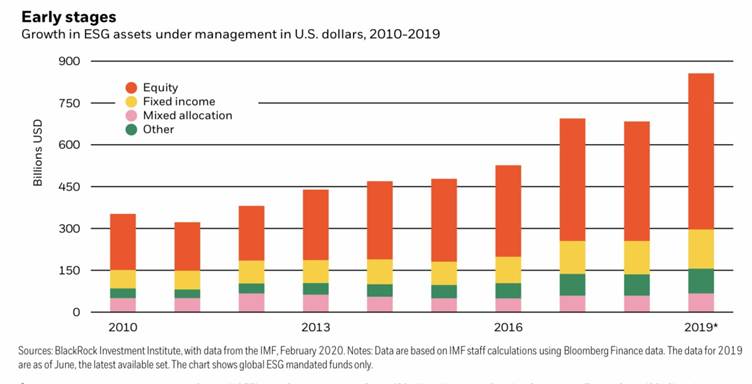
With global and domestic capital increasingly embedding ESG mandates, sustainable real estate investing India will continue to attract disproportionate capital flows. Occupiers, regulators and lenders are aligning quickly, shifting market preference towards green, efficient, low-carbon buildings.
For developers and investors, the conclusion is clear. ESG is not a compliance requirement. It is a competitive advantage. Assets with strong ESG metrics real estate India deliver better returns, retain tenants longer and remain resilient across market cycles.