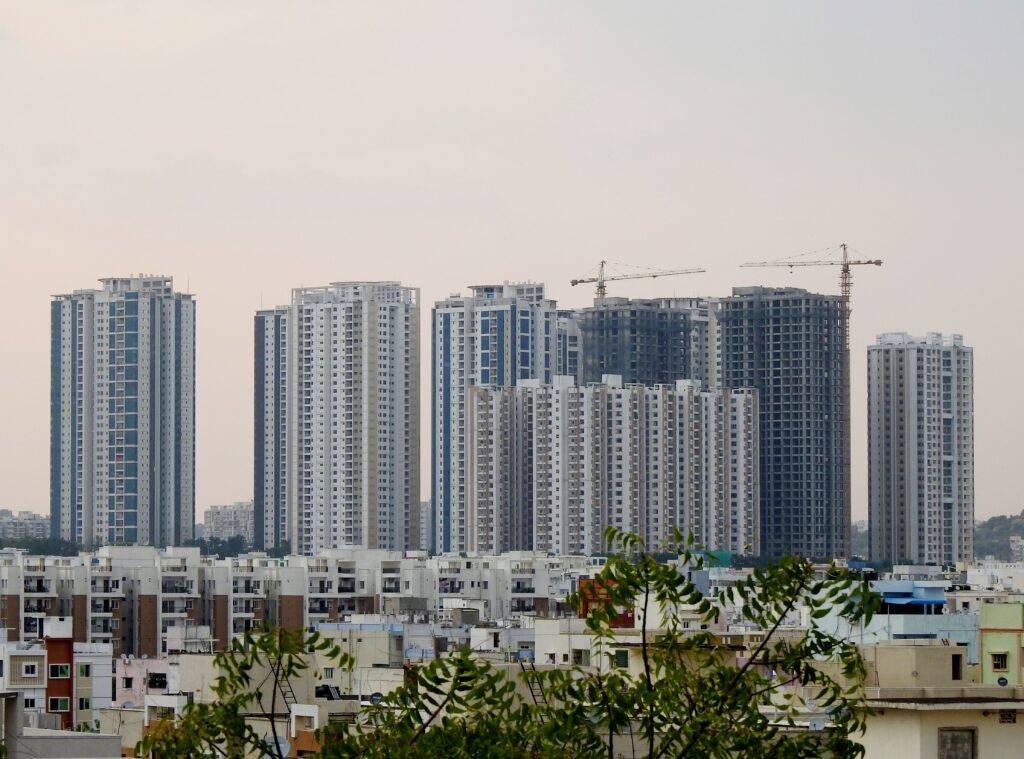
India’s real estate landscape is undergoing a meaningful shift. While metros continue to define the country’s economic core, the country’s next phase of value creation is emerging in Tier 2 cities. With improving connectivity, rising corporate interest, lifestyle upgrades, and better affordability, these cities are becoming strong contenders for real estate investment in 2026.
This transformation is supported by credible research such as the ANAROCK Indian Residential Market Annual Update 2024 and Knight Frank’s India Real Estate Jan–Mar 2025 report, which highlight strong growth indicators across mid-sized urban centres.
At the same time, alternative investment avenues are expanding rapidly, offering investors more structured, diversified and professionally managed entry points into emerging markets India real estate.
This blog breaks down the Tier 2 cities to watch in 2026 and examines the evolving investment landscape shaping their rise.
Why Tier 2 Cities Are Becoming Investment Magnets
Affordability With Strong Appreciation Potential
Property in Tier 2 cities still costs around 40 to 60 percent less than equivalent homes in metros, yet absorption data shows that these markets are growing at comparable or sometimes faster rates.
As identified in the Knight Frank report, mid-sized cities with strong employment drivers have shown consistent year-on-year price growth.
Infrastructure Reshaping Urban Economies
India’s metro expansions, airport modernisations, economic corridors, and expressways are redefining the way Tier 2 cities function. These improvements have a direct impact on property appreciation, commute times, and the perception of these cities as long-term investment hubs.
Cities such as Lucknow, Indore and Nagpur are beneficiaries of this infrastructure push.
Corporate and GCC Expansion
New-age companies and GCCs are now decentralising operations. According to NASSCOM, nearly 40% of new GCC centres are opening outside metros.
This new corporate migration is driving rental demand, improving yields and widening the scope for commercial and residential development.
Improved Rental Yields
Most Tier 2 markets are delivering rental yields between 3.5 and 5 percent, compared to the 2 to 3 percent range typical of metros. Combined with lower entry prices, this creates healthier return ratios for long-term investors.
Top Tier 2 Cities for Real Estate Investment in 2026
1. Lucknow
Lucknow has quietly become one of North India’s strongest real estate performers. According to Omaxe Research, the city witnessed 22.6% annual growth in property values.
Demand continues to rise in areas supported by expressway connectivity, corporate establishments and planned residential zones.
Additional data from PropertyKumbh shows increased traction in well-planned micro-markets with modern social infrastructure.
The city is also seeing a rise in IT and services activity as reported by The Times of India, reinforcing its future potential.
2. Indore
Indore is one of India’s most promising urban growth centres with a balanced mix of governance, infrastructure and entrepreneurial activity.
As highlighted by D2R Research, Indore’s real estate surge is driven by expansion of its business ecosystem, metro corridors and strategic development zones.
The Times of India also reports that the MPIDC has earmarked significant industrial land reserves to attract national and global investments, strengthening Indore’s long-term commercial outlook.
3. Nagpur
Nagpur is emerging as a national logistics and mobility hub, thanks to flagship developments such as MIHAN and extensive highway and metro connectivity.
According to Housing.com Insights, Nagpur ranks among India’s most promising Tier 2 destinations due to its role in warehousing, industrial logistics and aviation-led expansion.
Its central location positions it advantageously for long-term real estate investment and sustained demand growth.
The Expanding Role of Alternative Real Estate Investments
India’s real estate investment landscape is maturing quickly, and alternative asset structures are becoming integral to the growth of Tier 2 markets. These models offer diversified exposure, stable income potential and lower entry thresholds — all while being professionally managed.
Fractional and Institutional Ownership
Fractional ownership platforms make it possible to invest in Grade A commercial properties at much lower capital requirements. Yields of 8 to 10 percent are typical, making the model attractive as Tier 2 commercial hubs expand.
REIT Participation in Non-Metro Assets
Emerging asset segments such as warehousing, industrial parks and data centres are expected to drive the country’s next wave of REITs. Many of these properties are in Tier 2 cities due to favourable land economics and growing demand.
Land Banking as a Strategic Bet
Investors are increasingly considering land in expansion zones near ring roads, industrial corridors, aviation hubs or mobility networks. Such locations tend to appreciate sharply once urban development catches up with planned infrastructure.
Co-Living and Student Housing
Cities with strong educational clusters and expanding corporate presence are experiencing sustained demand for managed living solutions. These sectors offer consistent rental occupancy and predictable returns.
Logistics and Warehousing Investments
With nearly 60 percent of new warehousing capacity being built outside metros, industrial and logistics assets in Tier 2 regions are gaining institutional attention.
Co-Investment Models: The Future of Collaborative Real Estate Investing
Co-investment models are rapidly gaining popularity among informed investors. Unlike fractional ownership, which often involves many retail participants, co-investment focuses on shared ownership between a small group of investors, often alongside a developer, fund manager or anchor investor.
This model offers several advantages:
- Aligned interests between all participants
- Lower capital requirements compared to direct ownership
- Access to institutional-grade assets
- Shared risk and shared long-term upside
- Professional due diligence, asset management and exit planning
Co-investment models are becoming increasingly relevant in Tier 2 cities because these markets offer high-growth potential at attractive valuations. As infrastructure matures and demand scales, co-investment allows investors to participate early, collaboratively and strategically.
Key Market Insights for 2026
According to the ANAROCK 2024 Residential Report:
Residential demand in Tier 2 cities is expected to grow 28 to 32 percent in 2026.
Rental yields in these cities have increased from 2.8 percent to 4.2 percent.
Tier 2 cities accounted for 45 percent of India’s new launches in 2024 and 2025.
Commercial absorption is projected to rise by 40 percent, driven by GCC and manufacturing expansion.
Over 60 percent of new warehousing capacity is being developed outside metro hubs.
Conclusion
Tier 2 cities are not merely emerging markets anymore. They are becoming the next engines of India’s real estate growth. Lucknow, Indore and Nagpur represent the structural transformation underway: improved livability, better infrastructure, diversified employment and growing investor interest.
For investors seeking meaningful long-term value, balanced risk and future-ready opportunities, Tier 2 India stands out as a compelling destination. With the rise of co-investment models, fractional platforms, REITs, and data-driven evaluation, accessing these markets has become more transparent, collaborative and strategic.